
HF-368C Power RFQs: Define the Input Reference
For an HF-368C enquiry, request the manufacturer power-input reference for the exact offered device. Ask how its catalogue rated-voltage and rated-power fields relate to the charging-input information, and retain the applicable label or specification drawing. Keep the Type-C connector description separate from the electrical conditions confirmed by the manufacturer. A connector shape and two catalogue numbers do not establish compatibility with an arbitrary supply or identify an included charger.
Supplier-published product reference. The image identifies the catalogue item or named related component; printed marketing, styling and appearance do not establish an independently verified specification, commercial inclusion or performance result.
Identify the device and the catalogue fields
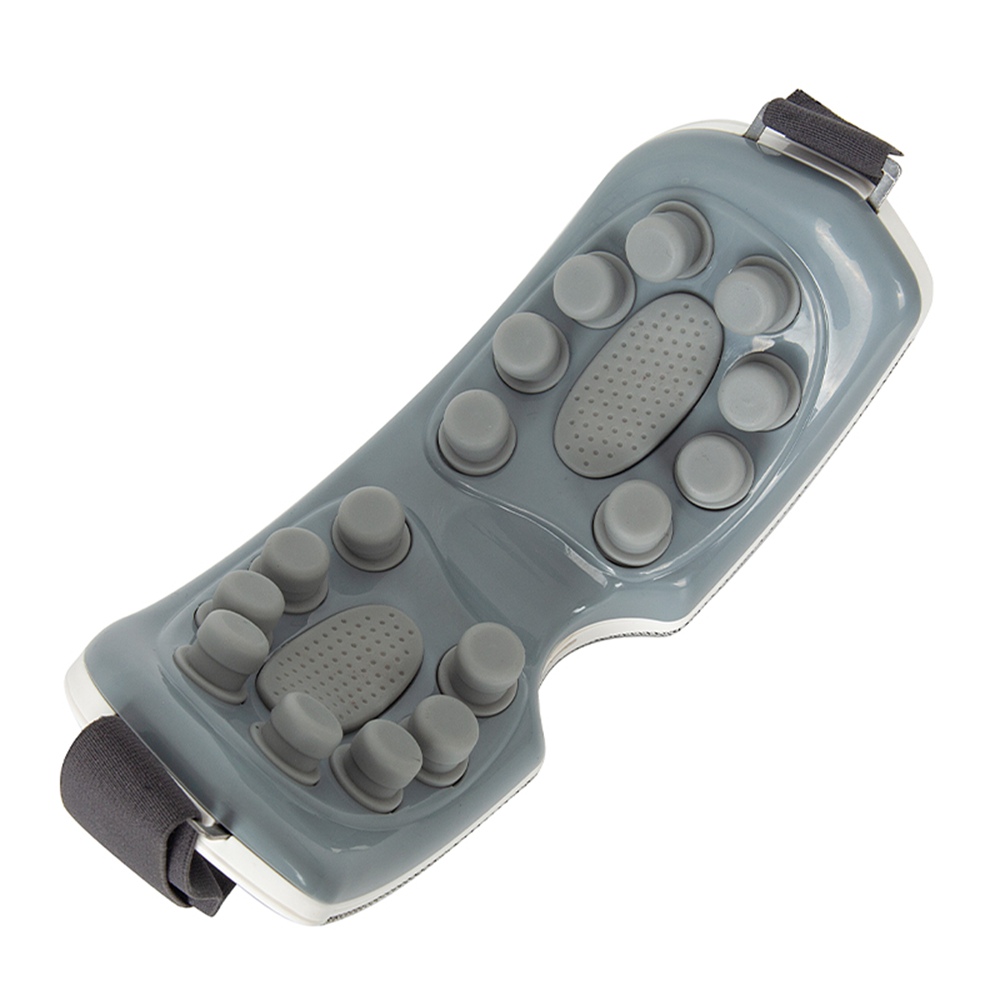
Kangyunlai publishes a Bluetooth eye massager identified as model HF-368C. Its product page lists rated voltage of 5V, rated power of 5W and a Type-C charging interface. These are supplier catalogue entries for that model. They provide a starting point for a specification enquiry, but they do not explain whether a field describes an input condition, an operating rating or another manufacturer-defined reference.
Attach the official HF-368C listing to the supplier offer. Ask which hardware and document revision the response covers. Keep the model reference with the proposed product configuration rather than carrying an electrical statement from another massager into this enquiry. Similar connector appearances across catalogue products do not establish that their power information is interchangeable.
Request the manufacturer input specification
Ask the supplier to identify the actual charging-input designation for the offered HF-368C. Request the relevant label image, specification sheet or manufacturer drawing, with the field names retained. Where the supplier gives input values or conditions, ask it to state their meaning and scope. Do not replace an incomplete response with a calculated figure or an assumed specification commonly associated with a connector.
Keep rated voltage, rated power and charging-input limits in separate fields until the supplier explains their relationship. In particular, dividing two catalogue numbers is not a reliable way to declare a charging-current requirement when the purpose of those numbers has not been established. The buyer needs the manufacturer statement for the proposed version, rather than an inferred specification presented as a measured or approved product fact.
Supplier-published product reference. The image identifies the catalogue item or named related component; printed marketing, styling and appearance do not establish an independently verified specification, commercial inclusion or performance result.
Separate the device from supplied power accessories
Ask whether the quotation includes a cable, a power adapter, both or neither. Record the answer as commercial scope. If an accessory is offered, request its own manufacturer reference and applicable product information. A catalogue statement that a device has a charging interface does not establish the contents of the order or identify a particular accessory supplied with it.
Keep the connector description of an offered cable distinct from the power-adapter information. Ask the supplier to identify the proposed combination and the device version to which its statement applies. Do not promise compatibility, a charging duration or a performance result from a pictured cable or a broad interface name. This article requests manufacturer documentation; it does not provide connection instructions, electrical design advice or directions for substituting components.
Buying field
Requested supplier response
Device identity
HF-368C and actual offered hardware version
Catalogue fields
Supplier meanings of rated voltage and rated power
Input reference
Applicable manufacturer designation and document
Connector
Type-C wording kept separate from electrical conditions
Included scope
Device, cable and adapter offer identified separately
Accessory reference
Actual proposed accessory and documentation
Revision control
Product and document changes linked to the offer
Keep the documentation tied to the actual sample
When the supplier provides a sample, identify the device and any accompanying accessory separately. Ask whether the submitted label or specification sheet applies to that sample. Retain a clear image of the relevant manufacturer information where it is available. If the sample and document use different model or version references, ask the supplier to reconcile the difference before treating them as one specification.
A document review is not evidence of an electrical test or a verified operating result. Where a purchase requires a particular assessment, agree its scope and responsibility with the appropriate parties and obtain the actual record. Do not invent a test method, safety certification, charging rate or compatibility result. Keep a manufacturer declaration, a reviewed sample and a performed evaluation distinguishable in the procurement file.
Supplier-published product reference. The image identifies the catalogue item or named related component; printed marketing, styling and appearance do not establish an independently verified specification, commercial inclusion or performance result.
Carry the confirmed reference into the order
Before ordering, retain the agreed device reference, applicable power-input document and accessory scope with the supplier quotation. Request an explicit revision when the proposed hardware, accessory or manufacturer information changes. An unchanged model family name should not silently approve a different power-related configuration. Unanswered questions should stay visible rather than being filled from another product page or an earlier informal message.
At receipt, compare the product identifiers and accompanying manufacturer information with the confirmed order record. Describe an accessory difference, an altered input designation and a document-version mismatch as separate observations. Seek supplier clarification without assigning an unsupported technical cause. This keeps the enquiry practical while avoiding a compatibility promise, an invented electrical requirement or a health-related product claim that the available catalogue evidence does not establish.
Buyer FAQ
Does Type-C identify the complete input specification?
No. Retain the connector description and request the manufacturer power-input reference for the actual offered device.
Can 5V and 5W be used to declare charging current?
Not without understanding the manufacturer meanings and operating scope of those fields. Request the actual input specification instead of presenting a calculation as a confirmed requirement.
Is a charger included because a charging interface is listed?
Not necessarily. Ask the supplier to confirm the cable and adapter scope and identify any proposed accessory separately in the quotation.
Supplier response checklist
Exact product and offered version
Named supplier reference and applicable sample scope
Confirmed information separated from unresolved fields
wholesale bluetooth eye massagersB2B supplier sample record