
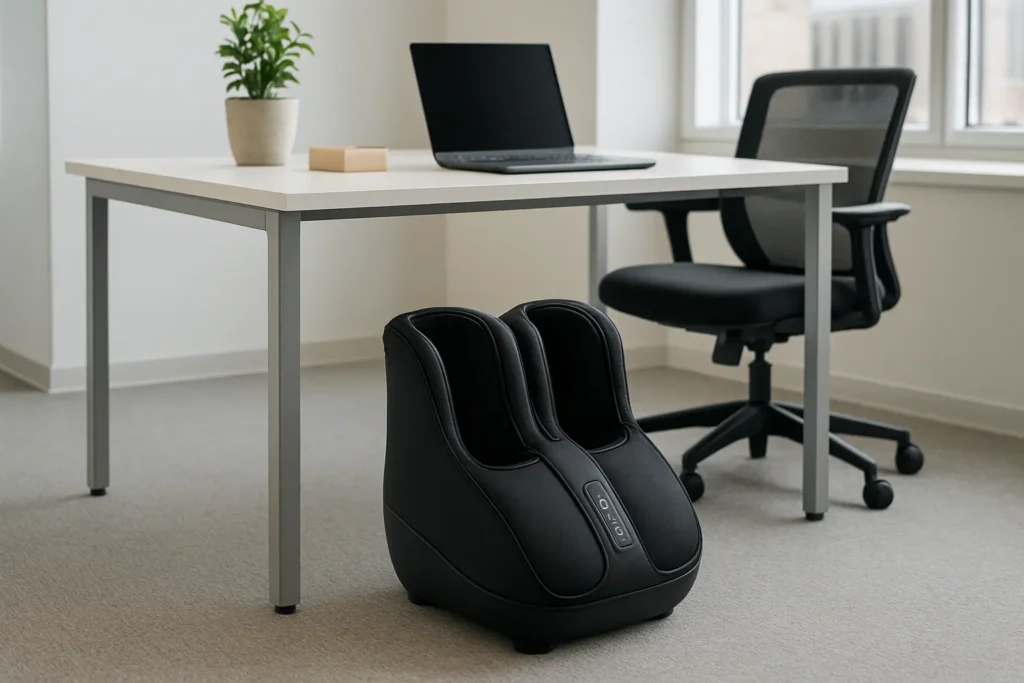
Integrating Leg Massagers into Your Office for Enhanced Employee Health and Wellness
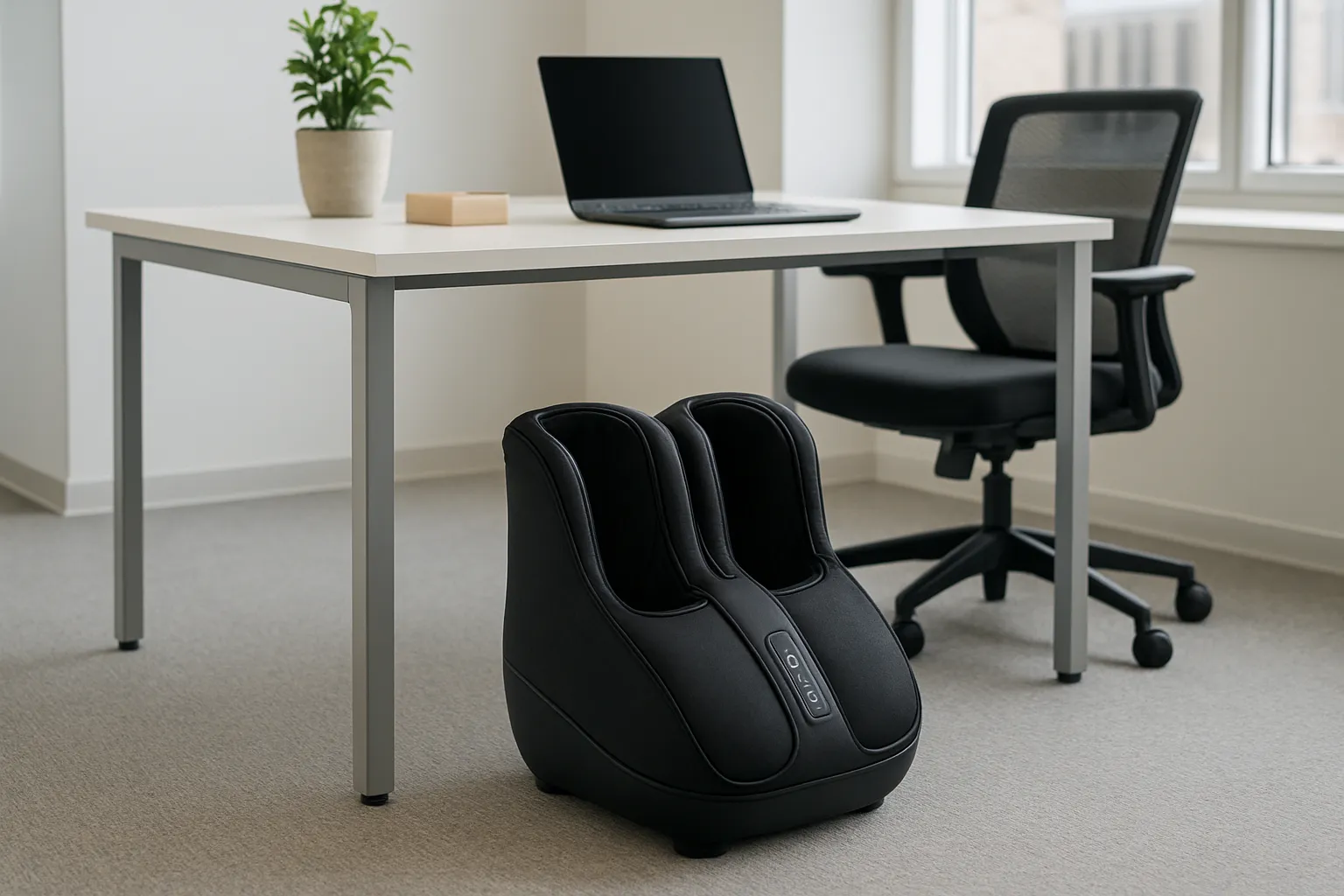
Leg massagers are innovative devices designed to provide therapeutic relief to the legs and feet through various massage techniques. These machines utilize compression, kneading, and vibration to alleviate discomfort, improve circulation, and promote relaxation. In today’s fast-paced work environments, prioritizing employee well-being is crucial. With many employees spending long hours sitting at their desks, integrating leg massagers into the workplace can significantly enhance their overall health and productivity.
Benefits of Leg Massagers in the Workplace
Physical Health Benefits
The physical benefits of leg massagers are numerous. Regular use can help reduce muscle tension, alleviate pain from prolonged sitting, and enhance blood circulation. Improved circulation can lead to a reduced risk of varicose veins and other circulatory issues, which are common among sedentary workers. Additionally, leg massagers can aid in recovery after physical activities, making them an excellent addition to any office wellness initiative.
Mental Health Benefits
Mental well-being is equally important in the workplace. Leg massagers can provide a calming effect, helping to reduce stress and anxiety levels. The soothing nature of a good leg massage can serve as a mini-retreat during a hectic workday, allowing employees to recharge mentally. In my experience, this mental break can lead to improved focus and creativity, which are essential for high-performance work environments.
Increased Productivity
By enhancing both physical and mental well-being, leg massagers can lead to increased productivity. Employees who feel physically comfortable and mentally relaxed are more likely to be engaged and efficient in their tasks. Furthermore, incorporating wellness tools like leg massagers can foster a positive workplace culture, enhancing overall job satisfaction and retention rates.
Specifications to Consider
Types of Leg Massagers
When considering leg massagers for the workplace, it’s essential to understand the different types available. These include compression massagers, kneading massagers, and combination models that offer multiple techniques. Each type caters to different needs, so businesses should assess which type aligns best with employee preferences. From what I’ve seen, having a variety of options can cater to diverse employee needs.
Features and Functions
Key features to look for include adjustable intensity levels, heat settings, and programmable massage modes. Some advanced models may also offer Bluetooth connectivity or app integration for a personalized experience. These features can enhance user satisfaction and encourage regular use.
Size and Portability
The size and portability of leg massagers are crucial for office environments. Compact models that can easily fit under desks or in break rooms are ideal. Additionally, lightweight designs make it easier to relocate the devices as needed, ensuring that they can be used in various settings.
Use Cases for Leg Massagers
Office Settings
In traditional office settings, leg massagers can be placed in break rooms or relaxation areas, providing employees with a quick way to unwind during breaks. This setup encourages employees to take time for themselves, promoting a healthier work-life balance.
Remote Work Environments
For remote workers, leg massagers can be a valuable addition to home offices. Employers can offer incentives or reimbursements for employees to purchase their own devices, ensuring that even those working from home have access to wellness resources.
Employee Wellness Programs
Incorporating leg massagers into employee wellness programs can enhance their effectiveness. These devices can be featured in wellness challenges or relaxation workshops, highlighting the company’s commitment to employee health. I believe this approach can significantly improve participation in wellness initiatives.
Comparing Different Brands and Models
Popular Brands Overview
Several brands dominate the leg massager market, including Homedics, Naipo, and Renpho. Each brand offers unique features and designs, catering to different preferences and budgets. It’s always a good idea to explore various options to find the best fit for your office.
Price Range Analysis
Leg massagers vary widely in price, from budget-friendly options around $50 to high-end models exceeding $300. Businesses should consider their budget while also evaluating the features that best meet employee needs.
User Reviews and Ratings
Before making a purchase, it’s beneficial to review user feedback and ratings. This information can provide insights into reliability, effectiveness, and overall satisfaction, helping businesses make informed decisions.
Sourcing Leg Massagers
Where to Buy
Leg massagers can be purchased from various sources, including online retailers, specialty wellness stores, and direct from manufacturers. Online platforms often provide competitive pricing and customer reviews, making them a convenient option.
Bulk Purchase Options
For companies looking to equip multiple employees, bulk purchase options may be available. Many manufacturers offer discounts for bulk orders, which can lead to significant savings.
Warranty and Support Considerations
When sourcing leg massagers, consider warranty and customer support options. A good warranty can protect your investment and ensure that employees have access to assistance if issues arise.
Implementation Strategies
Setting Up in the Office
To successfully implement leg massagers in the office, designate specific areas for their use. Ensure that these spaces are comfortable and conducive to relaxation, allowing employees to take full advantage of the devices.
Employee Training and Usage Guidelines
Provide training sessions to educate employees on how to use the leg massagers effectively. Clear guidelines can help ensure that everyone understands the benefits and best practices for usage.
Monitoring Usage and Feedback
Regularly monitor the usage of leg massagers and solicit feedback from employees. This information can help assess the effectiveness of the initiative and identify areas for improvement.
Frequently Asked Questions
Are Leg Massagers Safe for Everyone?
While most people can safely use leg massagers, individuals with certain medical conditions, such as severe circulatory issues or blood clots, should consult a healthcare professional before use.
How Often Should Employees Use Them?
It’s recommended that employees use leg massagers for about 15-30 minutes at a time, several times a week, to reap the most benefits without overdoing it.
What is the Return on Investment?
Investing in leg massagers can yield a strong return on investment through improved employee health, reduced absenteeism, and increased productivity, ultimately benefiting the company’s bottom line.
Conclusion
Integrating leg massagers into the workplace is a proactive approach to enhancing employee well-being. By offering physical and mental health benefits, these devices can contribute to a more engaged and productive workforce. As businesses continue to prioritize employee wellness, leg massagers represent a valuable investment in the health of their teams.