
HF-198 Temperature: Define the Measurement Basis
For an HF-198 temperature RFQ, ask whether the supplier’s 40–60℃ range describes control settings or measured temperatures. Request the measurement location, operating setup, starting conditions and time record for the offered version. Keep those engineering details separate from any medical, comfort or human-use temperature claim.
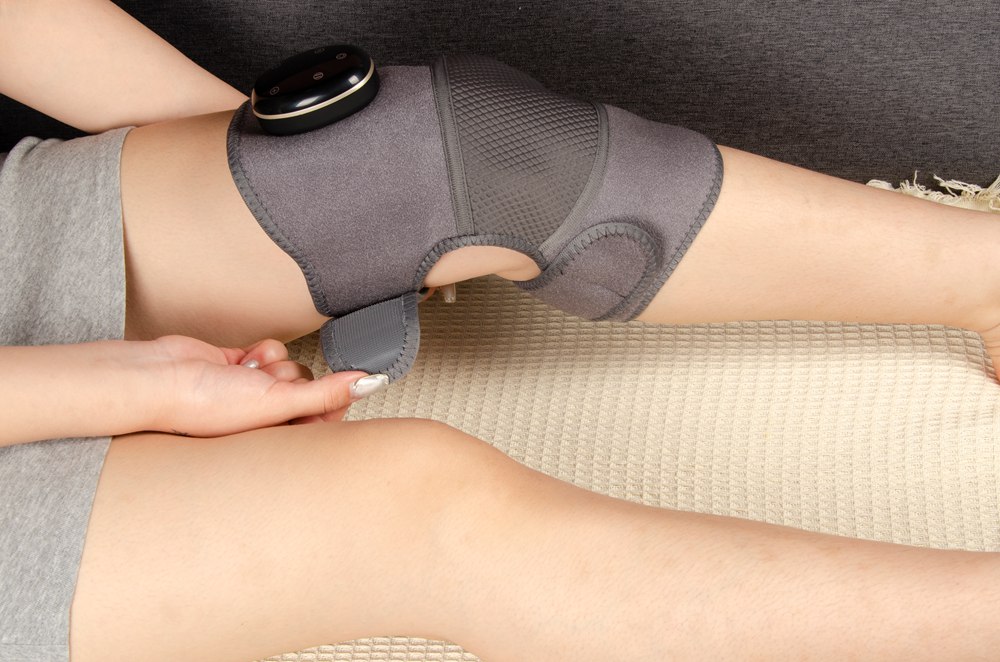
Official catalogue product scene, used to identify the wrap and controller. It is not a temperature measurement or an instruction for human use.
Read the HF-198 temperature field in context
Kangyunlai’s knee massager listing identifies model HF-198 and gives a heating temperature of 40–60℃. It also lists multi-level temperature adjustment, 7W power, three massage levels and a magnetic snap controller. These are the supplier’s catalogue fields. They provide useful enquiry references, but the temperature range still needs a defined measurement basis before it can support a precise purchasing comparison.
For a wholesale knee care enquiry, start with one technical question: what does the temperature number describe? It could be a stated control range or a measurement taken at an identified location under specified conditions. Ask the supplier to explain its actual meaning for the offered version rather than choosing an interpretation from the photograph.
Separate a selected setting from a measured result
A controller setting and a measured temperature are different fields in an RFQ. Ask the supplier to list the available heating selections and explain how they relate to the published range. Do not assume that three massage levels mean three temperature settings; the page places those descriptions in separate fields. Request the heating controls’ own explanation.
If the supplier describes the range as measured performance, ask where the measurement was taken. A sensor at one point does not automatically describe every part of the wrap. If it describes nominal setpoints, ask whether it also has a measurement record for the offered configuration. Keep the supplier’s wording with the value so that later readers understand what was actually supplied.
RFQ field
Supplier clarification
Comparison purpose
Range meaning
Setting range or measured result
Compare like descriptions
Measurement location
Marked point or defined area
Identify what the reading represents
Operating setup
Version, configuration and stated conditions
Keep results tied to the test setup
Time record
Starting point and reading times
Distinguish warm-up and later readings
Request a located measurement record
An annotated product reference is a practical way to discuss measurement location. Ask the supplier to mark the point or area covered by its result and identify the measurement equipment used. If several positions were recorded, request the readings with their locations. A single selected value should remain a single-position result unless a broader scope is documented.
This is a request for existing technical information or a separately agreed supplier assessment. It is not a procedure for testing the product on a person. Any proposed fixture, placement or operating arrangement should come from the responsible supplier’s stated method. Keep human-use instructions and product safety assessment outside the interpretation of this catalogue temperature field.
Official angled product reference. Confirm the measured unit and configuration separately; this presentation does not establish temperature behaviour or supplied quantity.
Keep the conditions and timing with the numbers
Ask what starting condition and ambient conditions accompanied the reported temperature. Request the selected heating setting, the supply arrangement used and the configuration of the assessed unit. Where the supplier uses a fixture or another defined setup, retain that description. These details help explain why two readings may differ without requiring the buyer to guess how either one was obtained.
Timing also belongs in the response. Ask when recording began, when each reading was taken and how the supplier describes any later stable period. The 40–60℃ field does not specify a warm-up time, and the 7W power field does not supply one. Leave a missing time value unanswered until the supplier provides it rather than deriving a heating-speed promise.
Make a useful supplier comparison sheet
Place the supplier’s temperature statement beside its explanation, not in a column that mixes settings with measured values from other offers. If one offer provides nominal settings and another includes a located time record, label the difference. Ask for the missing information needed for your comparison instead of ranking the products solely by the largest number in the catalogue.
Also preserve any stated limits on applicability. A record for one controller or wrap version should be linked to the version in the quotation. If a proposed change affects that relationship, ask whether the earlier information still applies. This keeps the technical response usable through ordering without implying that every product carrying a similar model name performs identically.
Another official product arrangement. Visible controller symbols do not define setpoints, calibration, accuracy or a temperature test procedure.
Close the technical enquiry with clear open items
A concise request can say: “For the offered HF-198, please explain the catalogue’s 40–60℃ range and provide the setting, measurement location, setup conditions and time record supporting your answer.” Record which fields were supplied and which still need clarification. An information gap is an open RFQ item, not a measured pass or failure.
Keep the published range and the supplier’s explanation together.
Distinguish heating selections from massage levels.
Retain measurement locations, conditions and times with results.
Link the response to the exact offered unit and quotation.
FAQ
Does 40–60℃ describe the temperature at the skin?
The cached catalogue field does not establish that interpretation. Request its measurement location and meaning without converting it into a human-use temperature statement.
Do three massage levels mean three heating settings?
The page lists them separately. Ask the supplier for the available heating selections and their relationship to the published range.
Can 7W establish the warm-up time?
It does not provide a time record by itself. Ask for the supplier’s actual stated setup and recorded times if heating speed matters to the quotation.
See other product questions in the Kangyunlai blog, or send the HF-198 technical enquiry with your required response fields.
wholesale knee caretemperature specificationHF-198